Executive Summary
Bunions, medically known as hallux valgus, cause pain, swelling, and difficulty finding footwear that fits for many Singaporeans. While non-surgical options like toe separators and splints offer temporary symptom relief, they cannot correct the structural joint deformity. When conservative measures no longer relieve discomfort, bunion surgery options in Singapore provide effective structural realignment. Minimally invasive keyhole surgery uses tiny incisions to reduce soft tissue disruption, lowering post-operative pain and accelerating walking recovery compared to traditional open surgery. Timely evaluation helps restore daily mobility and active lifestyles.

Dr David Su Hsien Ching
Senior Consultant Orthopaedic Surgeon
With over 15 years of experience in public service, Dr David Su treats a wide spectrum of complex foot and ankle conditions at Asian Healthcare Specialists.
Introduction
Walking through crowded MRT stations, navigating shopping malls along Orchard Road, or taking daily morning strolls around East Coast Park can become painful when dealing with a bunion. In Singapore, bunions affect a significant portion of the adult population, particularly individuals who wear narrow or high-heeled footwear or have a family history of joint hypermobility. A bunion is not merely a bump on the side of the big toe. It represents a progressive structural misalignment of the first metatarsal bone and the big toe joint.
Many patients put off seeking professional care because they fear lengthy surgical downtime or painful recoveries. However, medical advancements have changed how foot specialists approach deformity correction. Exploring bunion surgery solutions in Singapore allows individuals to compare traditional open techniques with modern keyhole procedures. Understanding how each method works enables patients to make informed decisions about restoring comfort, function, and long-term joint health.
Understanding Hallux Valgus and How Bunions Progress
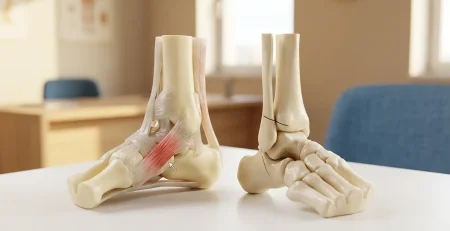
Anatomically, a bunion forms when the first metatarsal bone moves outward while the big toe points inward toward the second toe. This shift creates a visible bony prominence on the inner edge of the foot. Over time, the joint capsule stretches, local bursitis develops, and friction against shoes causes localised swelling and inflammation.
Bunions are progressive conditions. In early stages, discomfort may only occur after wearing tight shoes or completing long walks. As the deformity advances, joint cartilage wears down, leading to stiffness, persistent aching, and second toe crowding or hammer toe formation. Early clinical assessment helps monitor joint changes before severe secondary arthritis develops.
Non-Surgical Options: Can Toe Separators and Splints Actually Fix My Bunion?
Many individuals try commercial toe separators, gel pads, and night splints bought online or at local pharmacies. These devices aim to realign the big toe temporarily and reduce friction against footwear. While they can ease pressure and relieve mild skin irritation during daily wear, scientific evidence shows that external alignment products cannot permanently correct underlying bone structure.
- Gel Toe Separators: Provide immediate cushioning between toes, reducing skin chafing, but bone alignment reverts as soon as the pad is removed.
- Night Splints: Hold the toe in a straighter position during sleep, stretching tight joint tissues without altering the metatarsal bone angle.
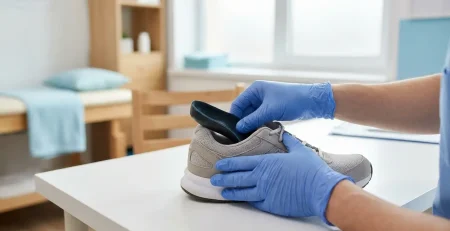
- Orthotic Shoe Inserts: Help redistribute forefoot pressure across the plantar surface, slowing down progression and improving gait comfort during daily commuting.
When non-surgical measures fail to control persistent daily pain or prevent deformity progression, surgical options become the definitive solution to realign the bony structure.
Comparing Minimally Invasive Keyhole Surgery vs Open Bunion Surgery
Patients considering surgical correction in Singapore generally choose between traditional open surgery and minimally invasive keyhole techniques. Both approaches aim to realign the bone, balance surrounding tendons, and relieve pain, but they differ significantly in surgical execution and immediate recovery experiences.
What Actually Happens During Keyhole Bunion Surgery?
Keyhole bunion surgery relies on specialised micro-burrs and live fluoroscopic X-ray imaging. Instead of making a large incision along the side of the foot, the surgeon creates small portal entries measuring just two to three millimetres.
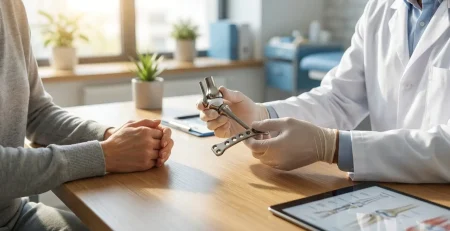
Through these micro-incisions, the surgeon precisely cuts and repositions the displaced metatarsal bone using high-speed rotary tools. Specialised titanium screws are inserted through the keyholes to securely fix the bone in its corrected alignment. Because surrounding muscles, ligaments, and skin tissues remain largely undisturbed, swelling is reduced, and joint movement is preserved more effectively during the initial healing period.
Surgical Recovery Timelines for Singaporean Patients
Recovery following keyhole bunion correction is structured to help patients resume normal activities promptly while protecting bone healing:
- Weeks 1 to 2: Patients wear a stiff-soled post-operative shoe, allowing weight-bearing on the heel. Elevating the foot at home minimises localised swelling.
- Weeks 3 to 4: Dressings are adjusted during routine follow-up visits. Gentle toe movement exercises begin to maintain joint flexibility.
- Weeks 5 to 6: Bone consolidation progresses as confirmed by follow-up X-rays. Most patients transition from the post-op shoe into wide, supportive athletic shoes.
- Months 2 to 3: Light activities, routine commuting on MRT or buses, and low-impact exercise can be resumed gradually.
Planning for appropriate rest and following post-operative exercise guidance ensures smooth functional restoration.
Choosing the Right Treatment Pathway for Your Mobility
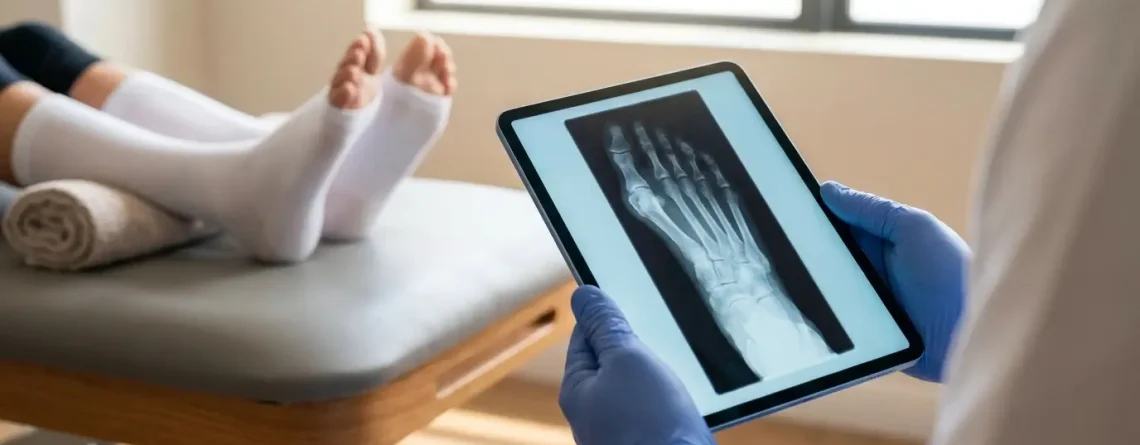
Selecting between surgical pathways depends on individual joint flexibility, deformity severity, bone quality, and daily lifestyle needs. A clinical consultation involving physical examination and weight-bearing foot X-rays determines the exact angles of deformity (such as the Hallux Valgus Angle and Intermetatarsal Angle).
Patients with severe joint degeneration or complex secondary deformities may benefit from specific, tailored techniques. Discussing your routine goals with an orthopaedic specialist ensures that your treatment plan aligns with your personal expectations and mobility needs.
Conclusion
Living with bunion pain is not something you must accept as an inevitable part of ageing or standing for long hours. While non-surgical accessories like toe separators provide mild temporary comfort, surgical options provide permanent structural correction. Modern keyhole procedures offer precise realignment with minimal tissue disruption, helping you return to comfortable walking and active living. Taking the step to schedule a thorough clinical evaluation with Dr David Su to clarify your treatment options and guide you toward lasting foot comfort.
Restore Comfortable Mobility
Don’t let bunion discomfort hinder your everyday activities. Take the first step toward lasting foot health with a personalised consultation.
Frequently Asked Questions
Can toe separators permanently fix a bunion?
No, toe separators cannot permanently correct a bunion. While gel pads and separators offer temporary relief by reducing friction and taking pressure off the big toe joint when worn, they do not change the underlying bone structure. Once the separator is removed, the toe returns to its misaligned position. Structural correction requires medical realignment of the metatarsal bone.
Is keyhole bunion surgery painful?
Most patients report manageable discomfort following keyhole bunion surgery compared to traditional open techniques. Because keyhole procedures use tiny incisions of two to three millimeters, soft tissue trauma is minimal. Local anaesthetics and prescribed pain medications keep post-operative pain controlled, allowing most patients to comfortably bear weight in a specialised boot shortly after surgery.
How soon can I walk after keyhole bunion surgery?
Patients are typically able to walk immediately after keyhole bunion surgery using a special stiff-soled surgical shoe. This protective footwear bears weight safely through the heel while protecting the realigned forefoot bones. Patients usually transition back into comfortable supportive sports shoes after six weeks, following clinical review and follow-up X-rays.
Will my bunion return after surgical correction?
Bunion recurrence rates are low when the procedure is performed correctly and proper post-operative care instructions are followed. Modern keyhole techniques fix the realigned bone securely with stable titanium screws. Wearing appropriate footwear with adequate toe box width and maintaining good foot mechanics further reduces the risk of long-term recurrence.
How long do I need to take leave from work after surgery?
Leave duration depends on your job requirements. For sedentary office jobs, patients often return to work within one to two weeks, provided they can keep the foot elevated while sitting. For jobs requiring standing, walking, or physical exertion, four to six weeks of leave may be advised to ensure adequate bone healing.