Executive Summary
Heel discomfort affects thousands of active adults across Singapore, ranging from office workers commuting through MRT stations to recreational runners. This clinical guide explains the key differences between pain located underneath the heel and at the back of the heel. It examines how flat feet alter lower limb biomechanics, outlines evidence-based conservative management options, and highlights when a specialist second opinion is required to restore daily walking comfort.

Dr David Su Hsien Ching
Senior Consultant Orthopaedic Surgeon
Specialising in subspecialty foot and ankle care, Dr David Su provides advanced diagnostic evaluation and comprehensive treatment pathways for lower limb biomechanical conditions.
Introduction
Walking across smooth marble floors in Singapore shopping malls or rushing between appointments in the Central Business District requires healthy lower limbs. When sharp discomfort strikes with your very first step in the morning, heel pain Singapore residents experience can quickly disrupt everyday life. Research indicates that lower-limb biomechanical strain is one of the most common reasons patients seek local orthopaedic consultation. Understanding the exact location and physical mechanics of your discomfort is crucial for selecting an effective care strategy.
Many individuals assume all heel discomfort stems from a single cause. However, pain felt on the sole of the foot differs significantly from soreness along the Achilles tendon. Factors like foot arch shape, footwear choices on hard city pavement, and sudden increases in exercise intensity play prominent roles. This article outlines the distinct anatomical origins of heel discomfort, explores the structural impact of flat feet, and details how clinical evaluation helps restore pain-free movement.
Sharp Pain Under the Heel Versus Pain at the Back of the Heel
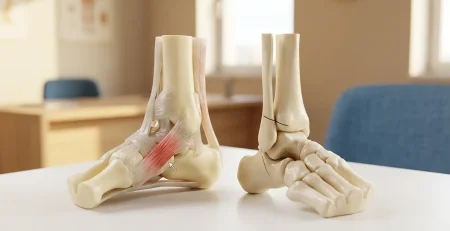
Pinpointing the precise anatomical location of your symptom provides critical diagnostic insight. Discomfort felt on the underside of the heel usually points toward plantar fasciitis. The plantar fascia is a thick band of tissue running along the bottom of the foot. It absorbs shock during movement, but repetitive tension causes micro-tears near its insertion at the heel bone. Patients frequently report an intense, stabbing sensation during early morning steps, which temporarily eases as the tissue warms up.
Conversely, pain at the back of the heel is commonly associated with the Achilles tendon or the retrocalcaneal bursa. Achilles tendinopathy occurs where the calf muscle attaches to the heel bone. This condition often produces stiffness after prolonged sitting, localised swelling, and tenderness with upward ankle flexion. Distinguishing between these two conditions is essential because their therapeutic exercises and rehabilitation strategies differ fundamentally.
Is Your Heel Pain Directly Linked to Flat Feet?
Structural foot mechanics heavily influence how force is distributed across your feet during walking or running. Flat feet, or pes planus, involve a fallen longitudinal arch that allows the entire sole to contact the ground. In Singapore, where urban walking on concrete is standard, flat feet can alter normal biomechanics. When the foot rolls inward excessively, known as overpronation, extra stress is placed on both the plantar fascia and the Achilles tendon.
This biomechanical chain reaction creates persistent strain. Flat feet reduce shock absorption at heel strike, transferring impact forces directly to the calcaneus and surrounding soft tissues. Over time, this repetitive load leads to chronic irritation and pain. Identifying whether flat feet are contributing to your symptoms allows specialists to recommend targeted orthotic interventions alongside physical therapy.
Common Non-Surgical Treatment Pathways in Singapore
Initial management for heel discomfort focuses on calming inflammation, correcting biomechanical errors, and restoring tissue elasticity. Conservative pathways succeed in the majority of early to moderate cases.
Key conservative strategies include:
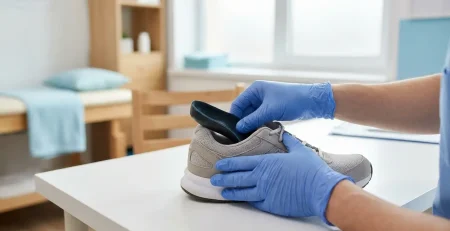
- Customised orthotic insoles designed to support arch height and distribute plantar pressures evenly across the foot.
- Structured calf and plantar fascia stretching routines are performed daily to relieve tightness in posterior muscle chains.
- Dedicated footwear adjustments, selecting shoes with supportive heel counters and adequate cushioning for local urban terrain.
- Guided shockwave therapy sessions to stimulate microcirculation and promote natural tissue repair in stubborn chronic areas.
Combining these non-invasive treatments provides a structured foundation for recovery without requiring immediate surgical intervention.
Comparative Analysis of Heel Condition Care Pathways
When Conservative Care Fails: Evaluating Advanced Interventions
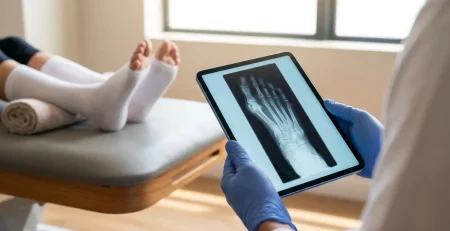
When conservative methods do not yield progress after several months of diligent effort, further diagnostic imaging becomes necessary. Magnetic resonance imaging (MRI) or high-resolution ultrasound scans allow orthopaedic specialists to visualise partial tendon tears, recalcitrant plantar fascia thickening, or heel spurs. Advanced non-surgical modalities, such as focused extracorporeal shockwave therapy or targeted biological injections, may be considered to accelerate tissue healing.
In cases of persistent structural blockages or severe tissue degeneration, surgical consultation is reviewed. Minimally invasive techniques permit targeted release of tight tissues or removal of painful bony prominences while preserving healthy surrounding anatomy. Surgical decisions are individualised, weighing overall mobility goals, daily demands, and patient health history.
Seeking a Second Opinion for Heel Pain in Singapore
Navigating persistent heel pain can feel overwhelming, especially when initial treatments yield limited relief. Seeking a second opinion from an experienced foot and ankle specialist can provide clarity on diagnostic accuracy and long-term care plans. Orthopaedic surgeons with dedicated subspecialty training bring deep experience in differentiating complex conditions that mimic simple plantar fasciitis.
A thorough second opinion involves reviewing prior imaging, assessing gait patterns, and examining lower-limb alignment. An experienced surgeon evaluates whether surgical intervention is truly warranted or if refined conservative strategies remain viable. This additional medical insight ensures that patients make informed decisions tailored to their daily activity requirements.
Preparing for Your Clinical Consultation and Recovery Expectations
Preparing for a specialist appointment ensures a productive evaluation. Patients should bring current footwear, including work shoes and exercise sneakers, as wear patterns offer valuable clinical clues. Documenting when pain occurs, its intensity throughout the day, and previous therapies attempted helps the specialist construct a precise picture of your condition.
Recovery timelines vary based on structural severity and patient compliance with rehabilitation protocols. While conservative therapies require consistency over several months, surgical recovery involves structured post-operative immobilisation and progressive physical therapy. Maintaining realistic expectations and adhering to tailored exercise guidelines are essential for achieving optimal functional mobility.
Conclusion
Heel pain should not restrict your active Singapore lifestyle or turn daily walks into a source of dread. Distinguishing between pain under the heel and soreness at the back of the heel is the critical first step toward effective relief. Understanding structural drivers such as flat feet enables targeted interventions that correct underlying biomechanical imbalances rather than merely masking symptoms.
Whether through customised orthotics, focused physical therapy, or specialist surgical evaluation, effective solutions exist for every stage of heel discomfort. If persistent symptoms continue to interfere with your daily routine, seeking a clinical assessment with Dr David Su can help you regain comfortable mobility. Take proactive steps today to protect your foot health and move forward with confidence by scheduling a consultation with Dr Su today.
Take the Next Step Towards Pain-Free Mobility
Don’t let chronic heel pain dictate your daily routine. Get an accurate diagnosis and a personalised treatment plan to get you back on your feet comfortably.
Frequently Asked Questions
What is the main difference between plantar fasciitis and Achilles tendinopathy?
Plantar fasciitis causes pain directly beneath the heel, often felt during the first steps of the morning due to tension in the plantar fascia. Achilles tendinopathy causes discomfort at the back of the heel where the calf muscle attaches to the heel bone. Each condition requires distinct clinical diagnostic tests and physical therapy protocols.
Can flat feet cause heel pain to develop over time?
Yes, flat feet can contribute directly to heel discomfort. A fallen arch causes excessive inward rolling of the foot during walking, placing extra strain on the plantar fascia and Achilles tendon. Over time, this abnormal force distribution leads to inflammation and localised heel pain during daily activities on hard urban ground.
How do I know if I need a second opinion for my heel pain in Singapore?
You should consider a second opinion if your heel pain persists despite several months of conservative treatment, or if your diagnosis remains unclear. Consulting a subspecialty foot and ankle specialist ensures a detailed review of your diagnostic imaging and structural biomechanics, helping you explore all conservative and surgical avenues.
What conservative treatments work best for sharp morning heel pain?
Effective conservative treatments include daily plantar fascia and calf stretches, wearing customised orthotic insoles, applying ice after activity, and selecting supportive footwear. In recalcitrant cases, focused shockwave therapy administered by a healthcare professional can stimulate tissue repair and reduce the intensity of morning pain.
When should surgical treatment be considered for persistent heel pain?
Surgical intervention is generally considered only after 6 to 12 months of structured conservative treatments have failed to provide relief. A foot and ankle surgeon will evaluate your symptoms, imaging results, and physical limitations to determine if minimally invasive tissue release or bone spur removal is appropriate for your case.