Executive Summary
Persistent foot pain along the inner arch or heel can severely impact daily mobility in Singapore. Many individuals confuse adult-acquired flat foot with plantar fasciitis, leading to delayed appropriate care. Evaluating structural alignment, tendon integrity, and foot mechanics is essential for accurate diagnosis. Non-surgical measures such as orthotic supports, targeted physical therapy, and footwear modifications effectively manage early stages. When conservative methods no longer relieve persistent pain or structural deformity, keyhole or minimally invasive reconstructive surgical options offer structured pathways to restore balance, alignment, and walking comfort.

Dr David Su Hsien Ching
Senior Consultant Orthopaedic Surgeon
Specialising in foot and ankle orthopaedic care, Dr David Su provides expert diagnosis and modern surgical techniques for a full range of complex foot conditions.
Introduction
Walking through busy MRT stations or spending long hours on your feet along Orchard Road requires healthy foot mechanics. For many adults, progressive inner arch pain or ankle fatigue signals a common structural condition known as Flat Foot Singapore residents frequently encounter. When the arch flattens, the weight of the body shifts unevenly across the foot, strain increases on surrounding ligaments, and daily walking becomes tiring.
It is common for patients to confuse a collapsed arch with general heel strain or plantar fasciitis. While both conditions cause significant discomfort, their underlying structural causes and clinical management differ substantially. Prompt evaluation by an orthopaedic foot and ankle specialist helps clarify the exact source of pain and prevents progressive joint wear.
Whether you are experiencing early arch fatigue or seeking advanced evaluation for long-standing foot deformities, understanding your condition is the first step toward lasting mobility. Modern foot care offers individualised pathways ranging from supportive orthotics to minimally invasive reconstructive surgery.
Is It Plantar Fasciitis or a Fallen Arch? How a Foot Specialist Tells the Difference
Heel and arch pain often feel remarkably similar during daily activity, yet their root mechanisms require distinct medical approaches.
Plantar fasciitis involves inflammation of the thick band of tissue running along the bottom of the foot from the heel bone to the toes. Pain typically peaks during the first steps in the morning or after prolonged periods of rest. The arch structure itself usually remains stable, but the inflamed ligament causes sharp, localised tenderness under the heel.
In contrast, a fallen arch or adult-acquired flat foot involves a physical collapse of the foot’s structural framework. This condition is often tied to posterior tibial tendon dysfunction. The posterior tibial tendon provides primary support to the inner arch. When this tendon weakens, stretches, or tears, the arch gradually drops inward, causing the heel to turn outward and the foot to point laterally.
A foot specialist uses specific clinical tests to differentiate between the two conditions:
- Single-heel raise test: Assessing whether the posterior tibial tendon can actively lift and invert the heel when standing on one tiptoe.
- Too-many-toes sign: Observing the standing patient from behind to see if extra toes are visible on the outer side due to foot abduction.
- Weight-bearing radiographic imaging: Obtaining standing X-rays to measure bone angles, joint alignment, and arch height precisely.
Key Causes and Risk Factors of Flat Feet in Adults
Adult flat foot typically develops over time rather than being present from childhood. Understanding the underlying factors helps patients address early warning signs before severe structural changes occur.
Progressive wear and tear on the posterior tibial tendon is the primary contributor to adult-acquired fallen arches. High-impact activities, prolonged standing on hard concrete surfaces in urban environments, and age-related tissue degeneration gradually weaken this crucial supporting tendon.
Additional contributing factors include:
- Chronic inflammatory conditions, such as rheumatoid arthritis, which degrade supportive joint capsules and ligaments.
- Prior traumatic injuries, including severe ankle sprains, midfoot fractures, or tendon tears that alter normal foot alignment.
- Anatomical tightness in the Achilles tendon, which places excessive bending forces through the midfoot arch during walking.
- Metabolic health conditions, including diabetes and obesity, which increase structural loads and impair soft tissue healing.
Recognising these risk factors allows for early lifestyle modifications and timely clinical intervention before joint rigidness sets in.
Diagnostic Pathways and Clinical Evaluation Techniques
An accurate clinical evaluation forms the cornerstone of effective flat foot management. Specialist assessment goes beyond visual inspection to analyse functional biomechanics.
During a consultation, the specialist evaluates your gait cycle on a flat surface, observing how weight transfers from heel strike to toe-off. Dynamic pressure scanning may be used to identify areas of excessive force under the midfoot and forefoot.
Physical palpation pinpoints specific areas of tenderness along the posterior tibial tendon, spring ligament, and plantar fascia. Range-of-motion tests assess the flexibility of the hindfoot and midfoot joints to determine whether the flat foot is flexible or rigid.
Imaging studies play a critical role in treatment planning. Weight-bearing X-rays show bone orientation under load. Magnetic Resonance Imaging (MRI) evaluates soft-tissue integrity and can confirm tendon tears or inflammation. Ultrasound scans offer real-time visualisation of tendon movement and localised fluid accumulation.
Non-Surgical Treatment Strategies for Flat Foot Relief
For early-stage flexible flat foot, non-surgical therapies are highly effective in alleviating symptoms and slowing structural progression.
Initial care focuses on reducing mechanical strain on weakened tendons and realigning the foot during daily activity.
Recommended conservative interventions include:
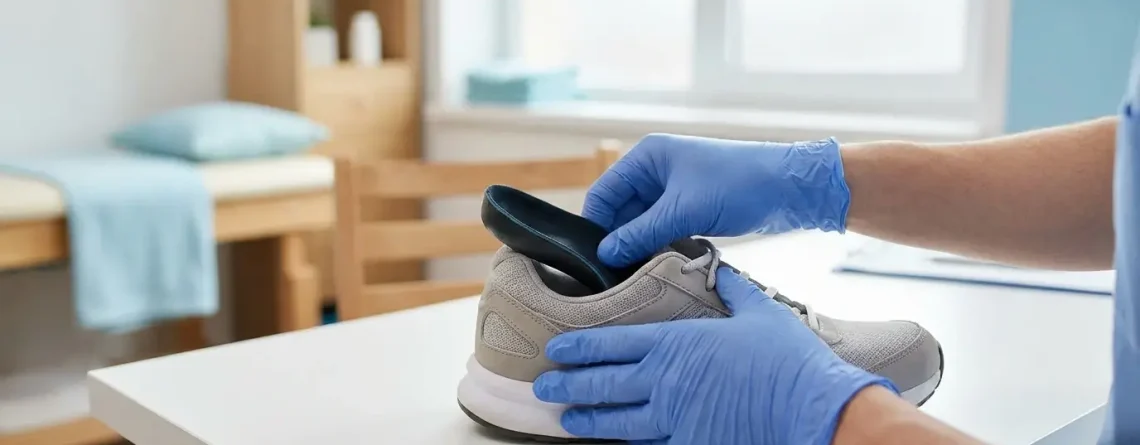
- Custom orthotic insoles: Tailored shoe inserts designed to support the medial arch, correct heel alignment, and redistribute weight evenly.
- Supportive footwear selection: Transitioning to firm, wide-soled shoes with rigid heel counters that stabilise the hindfoot.
- Targeted physical therapy: Exercises focused on strengthening the posterior tibial muscle, intrinsic foot muscles, and stretching tight calf muscles.
- Activity modification: Temporarily reducing high-impact exercises like road running in favour of low-impact activities like swimming or cycling.
- Short-term anti-inflammatory medication: Oral or topical anti-inflammatory treatments prescribed to calm acute tendon inflammation.
Regular follow-ups monitor whether conservative measures are effectively stabilising the arch and restoring comfortable mobility.
Minimally Invasive Techniques for Complex Foot Issues: What You Need to Know
When non-surgical measures no longer provide adequate pain relief or when structural collapse progresses, surgical realignment becomes necessary. Modern foot surgery has evolved significantly, incorporating keyhole and minimally invasive techniques.
Minimally invasive foot surgery utilises tiny skin incisions and specialised micro-instruments to modify bone alignment and repair tendons. Compared with traditional open surgery, these techniques preserve surrounding soft tissues, minimise blood loss, and reduce postoperative discomfort.
In complex flat foot reconstruction, minimally invasive approaches may be used for specific components of the correction:
- Minimally invasive calcaneal osteotomy: Making small incisions to cut and shift the heel bone into correct alignment, secured with specialised screws.
- Arthroscopic synovectomy and tendon debridement: Using keyhole cameras to inspect and clean inflamed tissue surrounding the posterior tibial tendon.
- Percutaneous Achilles tendon lengthening: Realigning tight calf tendons through tiny punctures to relieve midfoot pressure.
These refined methods support smoother functional recovery, shorter hospital stays, and less noticeable scarring, allowing patients to regain active lifestyles with greater confidence.
Seeking a Second Opinion for Flat Feet: Why Experience Matters for Complex Foot Reconstructions
Complex foot deformities involve an intricate web of bones, joints, ligaments, and tendons. Obtaining a second opinion from an experienced orthopaedic foot specialist provides vital clarity when considering major reconstructive procedures.
A specialised second opinion offers a thorough re-evaluation of your diagnostic scans and clinical history. Experienced specialists analyse whether your flat foot is flexible or rigid, whether arthritis has developed in adjacent joints, and whether soft tissue repairs alone will suffice.
Key reasons to seek an expert second opinion include:
- Evaluating whether minimally invasive options are appropriate for your specific degree of deformity.
- Re-assessing chronic pain that has persisted despite prior non-surgical or surgical treatments.
- Exploring complex multi-procedural reconstruction options tailored to your long-term mobility goals.
- Gaining clear, transparent expectations regarding post-operative rehabilitation timelines and recovery milestones.
Modern Foot Care Pathways Comparison
Conclusion
Living with persistent inner arch pain or fallen arches does not have to restrict your daily life. Accurate diagnosis by an orthopaedic specialist provides clear distinction between conditions like plantar fasciitis and structural adult flat foot, ensuring you receive targeted, effective care.
From custom orthotics and physical therapy to minimally invasive reconstructive procedures, modern orthopaedic solutions focus on restoring anatomical balance and relieving joint stress. Taking proactive steps today protects your mobility, allowing you to walk, exercise, and navigate daily activities in comfort.
If you are experiencing ongoing foot discomfort or wish to evaluate treatment options, schedule a consultation with Dr David Su to begin your path toward better foot health.
Take the First Step Toward Better Foot Health
Don’t let foot pain limit your active lifestyle. Get a precise diagnosis and personalised treatment plan from our experienced specialists today.
Frequently Asked Questions (FAQ)
How do I know if my flat feet require medical treatment?
Medical evaluation is recommended if your flat feet cause persistent pain in the arch, heel, or ankle, or if walking leads to rapid foot fatigue. You should also consult a specialist if you notice your foot shape changing over time, experience difficulty standing on tiptoes, or find that shoe wear is uneven and causing instability.
Can adult-acquired flat foot be cured without surgery?
Non-surgical treatments such as custom orthotics, footwear modifications, and targeted physical therapy cannot permanently raise a naturally flat bone structure, but they effectively manage pain, improve function, and stop progressive tendon strain. For flexible flat feet caught early, conservative care often allows patients to remain comfortable and fully active without surgical intervention.
What is the recovery time for minimally invasive flat foot reconstruction?
Recovery timelines depend on the specific surgical techniques performed during reconstruction. Patients usually spend two to four weeks in a protective cast or boot without bearing weight. Gradual weight-bearing and physical therapy typically start around six weeks, with a return to light sports and full daily activities occurring between three to six months post-surgery.
How does a foot specialist decide between plantar fasciitis and flat foot surgery?
A specialist evaluates standing X-rays, clinical flexibility tests, and soft tissue MRI scans to pinpoint the primary source of pain. Plantar fasciitis surgery is rarely needed and focuses solely on releasing the heel fascia. Flat foot surgery addresses structural alignment, bone orientation, and tendon integrity across the entire foot architecture.
Is it worth getting a second opinion for complex flat foot reconstruction?
Yes, seeking a second opinion provides peace of mind and ensures all surgical and non-surgical alternatives have been thoroughly considered. Complex foot reconstructions require detailed biomechanical planning, and an experienced specialist can confirm whether minimally invasive techniques are suitable for your specific anatomy and lifestyle requirements.